Sanyasi Chess Genius Plus: The Strategic Heritage of Indian Board Gaming
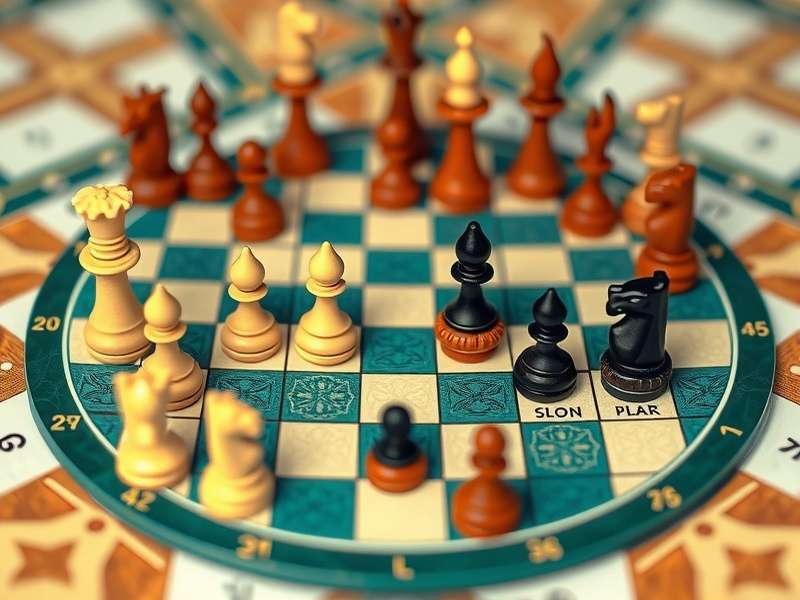
In the diverse tapestry of Indian traditional games, few stand as tall in terms of strategic depth and cultural resonance as Sanyasi Chess Genius Plus. Unlike the Western chess variant that has gained global prominence, Sanyasi Chess Genius Plus remains deeply rooted in the rural and semi-urban heartlands of India, particularly in the northern states of Uttar Pradesh, Bihar, Rajasthan, and Madhya Pradesh. This ancient game, which has evolved over centuries while retaining its core philosophical underpinnings, represents more than just a pastime—it encapsulates the strategic thinking, moral values, and social fabric of Indian society. For generations, elders have taught this game to the youth, not merely as a form of entertainment, but as a means to instill patience, foresight, and decision-making skills that transcend the game board and apply to real-life challenges.
What sets Sanyasi Chess Genius Plus apart from other chess variants is its unique blend of traditional Indian warfare tactics and spiritual philosophy, reflected in both its piece movements and win conditions. The game derives its name from the wandering ascetics (sanyasis) of ancient India who were known for their strategic acumen and ability to outthink opponents through patience and calculated moves. The "Genius Plus" moniker, a relatively modern addition to the game's traditional name, acknowledges the enhanced complexity and intellectual rigor that distinguishes this variant from its simpler predecessors, making it a favorite among serious game enthusiasts across the Indian subcontinent.
✨ Key Fact: Sanyasi Chess Genius Plus is recognized by the All India Traditional Games Council as one of the top 10 heritage games of India, with active tournaments organized in over 18 states annually.
Historical Origins of Sanyasi Chess Genius Plus 🕰️
Ancient Roots and Evolution
The origins of Sanyasi Chess Genius Plus can be traced back over 1,500 years to the post-Gupta period of Indian history (approximately 6th to 8th centuries CE), although elements of the game draw from even earlier board games like chaturanga—the ancient Indian precursor to modern chess. Unlike chaturanga, which spread westward and evolved into Persian shatranj and eventually European chess, Sanyasi Chess Genius Plus developed in isolation in the monastic and ascetic communities of northern India, where it was played by sanyasis and wandering scholars as a means of mental discipline and strategic training.
Historical records, including palm leaf manuscripts from the Nalanda and Vikramashila universities, reference a game called "Sanyasi Chaturanga" that bears striking similarities to the modern Sanyasi Chess Genius Plus. These manuscripts, preserved in the libraries of Bihar and West Bengal, describe a game played on an 8x10 board (unlike the 8x8 standard chess board) with pieces representing different figures from Indian monastic life and rural society—elements that remain central to the modern version of Sanyasi Chess Genius Plus.
During the medieval period (12th to 18th centuries), the game gained popularity beyond monastic circles, spreading to royal courts and rural communities alike. Mughal emperors like Akbar and Jahangir were known patrons of the game, with historical accounts mentioning royal tournaments of Sanyasi Chess Genius Plus that attracted players from across the Indian subcontinent. The game's rules were codified during this period, with regional variations emerging to reflect local customs and strategic preferences.
Colonial Era and Preservation
The colonial period (18th to mid-20th century) posed significant challenges to the survival of traditional games like Sanyasi Chess Genius Plus. British colonial authorities promoted Western sports and games, leading to a decline in the popularity of indigenous board games in urban areas. However, in rural India, where colonial influence was less pronounced, Sanyasi Chess Genius Plus continued to thrive as a beloved pastime, passed down through oral tradition and practical demonstration.
In the early 20th century, Indian nationalists recognized the cultural importance of traditional games and began efforts to preserve and promote them as part of the broader movement to reclaim Indian identity. The first formal Sanyasi Chess Genius Plus tournament was organized in Varanasi in 1928, attracting players from across Uttar Pradesh and Bihar. This tournament laid the foundation for the standardized rules that govern competitive play of Sanyasi Chess Genius Plus today.
Post-Independence Revival
After India's independence in 1947, there was a renewed interest in traditional cultural practices, including board games. The All India Traditional Games Association (AITGA), established in 1958, played a pivotal role in reviving interest in Sanyasi Chess Genius Plus, organizing national-level tournaments and publishing standardized rule books in multiple Indian languages. The "Genius Plus" designation was officially added to the game's name in 1987 to distinguish the modern, standardized version from regional folk variants and to highlight its enhanced strategic elements.
Today, Sanyasi Chess Genius Plus enjoys a resurgence in popularity, particularly among younger Indians who are rediscovering their cultural heritage while appreciating the game's intellectual challenges. The rise of digital gaming platforms has made Sanyasi Chess Genius Plus accessible to a global audience, with online versions of the game attracting players from across India and beyond.
| Period | Key Developments in Sanyasi Chess Genius Plus | Regional Influence |
|---|---|---|
| 6th-8th CE | Origins as Sanyasi Chaturanga among monastic communities | North India (Magadha, Kosala) |
| 12th-18th CE | Codification of rules, royal patronage, regional variations | Pan-India, with strong roots in Mughal territories |
| 1928 | First formal tournament in Varanasi | Uttar Pradesh, Bihar, Rajasthan |
| 1958 | AITGA established, national revival efforts begin | All India |
| 1987 | Official adoption of "Genius Plus" designation | All India, standardized rules |
| 2000-Present | Digital adaptation, global reach, youth popularity | India and international markets |
Rules and Gameplay of Sanyasi Chess Genius Plus ♟️
Board and Pieces
Sanyasi Chess Genius Plus is played on an 8x10 grid board, larger than the standard chess board, which provides additional strategic possibilities and movement options. The board is typically made of teak or sheesham wood in traditional sets, with alternating squares of red and green (symbolizing the earth and nature in Indian philosophy) rather than the black and white of Western chess. The board is divided into two halves, with a central "river" (represented by two rows of squares) that affects the movement of certain pieces—a unique feature that sets Sanyasi Chess Genius Plus apart from other chess variants.
Each player commands 16 pieces, each with distinct movement rules and strategic value:
- Sanyasi (Ascetic) - 1 piece: The most important piece, equivalent to the king in Western chess. The Sanyasi can move one square in any direction but cannot move into check. Capturing the opponent's Sanyasi wins the game. Unlike Western chess, the Sanyasi cannot castle but has a special "meditation" move once per game that allows it to move two squares in any direction to avoid capture.
- Mahatma (Great Soul) - 1 piece: Equivalent to the queen, but with slightly different movement rules. The Mahatma can move any number of squares horizontally or vertically, and up to four squares diagonally—reflecting the balance between action and restraint in Indian philosophy.
- Rishi (Sage) - 2 pieces: Equivalent to rooks, moving any number of squares horizontally or vertically. Rishis have a special ability to cross the central river unimpeded, unlike other pieces.
- Guru (Teacher) - 2 pieces: Equivalent to bishops, moving diagonally any number of squares. Gurus cannot cross the central river, representing their grounded nature and connection to specific regions.
- Yodha (Warrior) - 2 pieces: Equivalent to knights, moving in the same L-shape (two squares in one direction, then one square perpendicular). Yodhas are the only pieces that can jump over other pieces and can cross the river only if moving towards the opponent's side.
- Sainik (Soldier) - 8 pieces: Equivalent to pawns, moving forward one square at a time, or two squares on their first move. Sainiks capture diagonally and can promote to any piece except the Sanyasi upon reaching the opponent's back row. A unique rule in Sanyasi Chess Genius Plus allows Sainiks to move one square backward if they have crossed the central river, reflecting the tactical retreats common in Indian warfare.
Basic Game Rules
The objective of Sanyasi Chess Genius Plus is to checkmate the opponent's Sanyasi—placing it in a position where it is under attack and has no legal moves to escape capture. The game begins with players setting up their pieces on the first two rows of their side of the board, with the Sanyasi in the center of the back row, flanked by the Mahatma and other pieces in a specific formation that has remained consistent for centuries.
Players alternate turns, with the red side (traditionally the host or elder player) moving first—a custom that reflects Indian respect for hospitality and seniority. Each turn consists of moving one piece according to its movement rules, with the option to capture an opponent's piece by moving to its square. Unlike Western chess, there is no en passant capture rule in Sanyasi Chess Genius Plus, but the game includes unique capture rules that reflect Indian strategic thinking:
- Non-violent Capture: If a player can move a piece to attack the opponent's Sanyasi without actually capturing any piece, this is considered a higher form of victory in traditional play, reflecting the Indian philosophical preference for winning through strategy rather than brute force.
- River Crossing: Pieces crossing the central river must do so in a straight line without stopping in the river squares, representing the difficulty of crossing natural barriers in ancient Indian warfare.
- Meditation Rule: Once per game, a player may skip their turn to "meditate," which allows them to reposition one piece (except the Sanyasi) to any unoccupied square on their side of the board. This rule reflects the importance of reflection and strategic repositioning in Indian thought.
Win Conditions
While checkmating the opponent's Sanyasi is the primary win condition in Sanyasi Chess Genius Plus, the game recognizes several other forms of victory that reflect its cultural and philosophical roots:
- Checkmate (Vijay): Traditional victory by placing the opponent's Sanyasi in an inescapable position.
- Strategic Victory (Budhijit): If a player can position their pieces such that the opponent has no viable moves to progress the game (even if the Sanyasi is not in check), this constitutes a victory through superior strategy.
- Philosophical Victory (Dharmajit): Awarded if a player wins without capturing more than three of the opponent's pieces, reflecting the ideal of minimal conflict.
- Resignation (Prashraya): A player may resign by placing their Sanyasi piece face down on the board, a gesture of respect for the opponent's skill.
📜 Traditional Wisdom: In rural Indian communities, experienced players of Sanyasi Chess Genius Plus often say, "He who chases capture loses the game" (Jo harne ki talash mein hai, woh hi haar jata hai), emphasizing the importance of long-term strategy over immediate gains.
Regional Variations of Sanyasi Chess Genius Plus 🗺️
Northern Indian Variants
Given its origins in northern India, Sanyasi Chess Genius Plus has developed distinct regional variations that reflect local cultures and strategic preferences. The Uttar Pradesh variant, considered the "classic" version, adheres most closely to the standardized rules and is the format used in national tournaments. However, subtle differences exist even within Uttar Pradesh, with the Varanasi variant featuring additional meditation moves and the Lucknow variant emphasizing faster gameplay with modified piece movements.
The Bihar variant of Sanyasi Chess Genius Plus introduces a "pilgrimage" rule, where pieces that reach specific squares on the board gain enhanced movement abilities, reflecting the importance of religious pilgrimage in Bihari culture. In this variant, the central river is known as the "Ganges" and crossing it confers special advantages to the Mahatma piece, symbolizing spiritual purification.
Rajasthan's desert variant of Sanyasi Chess Genius Plus features a smaller 8x8 board (adapted to the limited space of desert encampments) and modified river rules that reflect the arid environment—pieces crossing the river squares move faster but are more vulnerable to capture, representing the challenges of desert travel. The Rajasthani variant also uses camel-shaped Yodha pieces instead of the traditional horse shape, reflecting the importance of camels in Rajput warfare and daily life.
Southern Indian Adaptations
While Sanyasi Chess Genius Plus originated in northern India, it has been adapted to southern Indian cultural contexts, with distinct variants in Tamil Nadu, Karnataka, and Kerala. The Tamil Nadu variant, known as "Sanyasi Chess Genius Plus Tamil," incorporates elements of the traditional Tamil board game chaturaji, with additional pieces representing temple guards and regional deities. The board in this variant features four colors instead of two, reflecting the Dravidian color symbolism.
In Karnataka, the Mysore variant of Sanyasi Chess Genius Plus was patronized by the Wadiyar royal family and features ornate wooden pieces with intricate carvings depicting scenes from the Mahabharata. This variant includes a "royal decree" rule that allows the Mahatma piece to make one additional move per game, reflecting the authority of the Mysore kings.
Kerala's coastal variant of Sanyasi Chess Genius Plus reflects the region's maritime heritage, with the central river representing the Arabian Sea and pieces named after fishing boats, coconut harvesters, and other local occupations. The river crossing rules in this variant are modified to allow certain pieces to "sail" across multiple squares, reflecting Kerala's boat-based transportation systems.
Eastern and Western Indian Versions
In West Bengal and Odisha, the Bengali and Odia variants of Sanyasi Chess Genius Plus incorporate elements of local folk traditions and mythology. The Bengali variant, played in the rural areas of West Bengal, features pieces named after characters from Tagore's literature and includes a "monsoon rule" that restricts certain piece movements during the middle of the game, reflecting the seasonal rhythms of Bengali life.
The Odia variant, centered in Puri and Bhubaneswar, is closely tied to Jagannath temple traditions, with the Sanyasi piece representing Lord Jagannath and the Mahatma representing his consort Subhadra. The board in this variant is often decorated with Pattachitra-style paintings, and the game is played during religious festivals as part of temple rituals.
In Maharashtra and Gujarat, the western Indian variants of Sanyasi Chess Genius Plus reflect the trading culture of these regions. The Marathi variant includes a "merchant" piece that can move through multiple squares if they are unoccupied, representing the caravan trade routes of the Deccan. The Gujarati variant, influenced by the state's maritime trade history, allows pieces to "trade" positions once per game, reflecting the commercial spirit of Gujarati society.
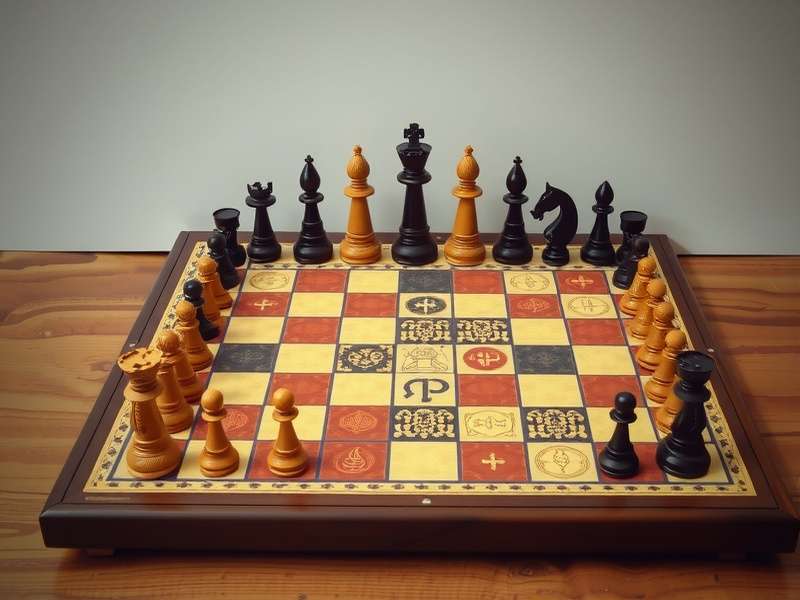
Advanced Strategy for Sanyasi Chess Genius Plus 🧠
Fundamental Strategic Principles
Mastering Sanyasi Chess Genius Plus requires more than just memorizing piece movements—it demands an understanding of the strategic principles that have been developed and refined by Indian players over centuries. Unlike Western chess, which often emphasizes aggressive piece development and early attacks, Sanyasi Chess Genius Plus strategy is rooted in the Indian philosophical concepts of balance (dharma), patience (dhairya), and adaptability (anukampa).
The first principle of Sanyasi Chess Genius Plus strategy is "positional superiority over material gain" (sthiti se jyada dhan nahi). Experienced players prioritize controlling key squares, particularly those in the central river area, over capturing opponent pieces. This positional approach reflects the Indian military philosophy of winning through territory control rather than direct confrontation—a principle evident in the strategic thinking of ancient Indian rulers like Chandragupta Maurya and Ashoka.
The second core principle is "rhythmic movement" (chhanda chalana), which emphasizes maintaining a consistent pace of play and avoiding both overly aggressive and overly defensive approaches. In Sanyasi Chess Genius Plus, players who rush their attacks often leave their Sanyasi vulnerable, while those who play too defensively lose positional advantage. The ideal strategy involves a balanced rhythm of piece development, positional control, and calculated attacks—mirroring the rhythmic patterns of Indian classical music and dance.
Opening Strategies
The opening phase of Sanyasi Chess Genius Plus (known as "prarambhik chal" in Hindi) sets the foundation for the entire game and follows established patterns that have been passed down through generations. Unlike Western chess, which has a vast repertoire of named openings, Sanyasi Chess Genius Plus openings are categorized by their strategic intent rather than specific move sequences:
- Dhyan Opening (Meditation): A defensive opening that focuses on solid piece development and protection of the Sanyasi. This opening is favored by experienced players against aggressive opponents and involves developing Gurus and Rishis to control the central river squares before advancing Sainiks.
- Yodha Advance (Warrior's March): An aggressive opening that involves early development of Yodha pieces to pressure the opponent's flanks. This opening is effective against defensive players but carries higher risk if not executed carefully.
- Mahatma Central (Great Soul's Center): A balanced opening that focuses on central control by developing the Mahatma piece to control key river squares. This versatile opening is suitable for both attacking and defensive play and is recommended for intermediate players of Sanyasi Chess Genius Plus.
- Sainik Wave (Soldier's Onslaught): A strategic opening that involves advancing multiple Sainiks to control the river crossing points. This opening is particularly effective in the Rajasthani and Gujarati variants of Sanyasi Chess Genius Plus, where river control is especially important.
A critical aspect of Sanyasi Chess Genius Plus opening strategy is "river control" (nadi ka niyantran)—gaining and maintaining control of the central river squares that divide the board. These squares act as both barrier and gateway, and controlling them limits the opponent's movement options while expanding your own. Experienced players often sacrifice a Sainik or even a Yodha to gain permanent control of key river squares, understanding that positional advantage in this area outweighs temporary material loss.
Midgame Tactics
The midgame (madhyakala) in Sanyasi Chess Genius Plus is where most games are decided, as players transition from opening development to active confrontation. This phase requires careful calculation of piece values, movement combinations, and potential counterattacks—skills that separate casual players from masters of Sanyasi Chess Genius Plus.
One of the most effective midgame tactics in Sanyasi Chess Genius Plus is the "Guru-Rishi combination" (guru-rishi sangam), where these two pieces work together to control diagonal and straight-line movement across the river. This combination creates a defensive wall that protects the Sanyasi while limiting the opponent's attacking options, and it forms the backbone of many successful strategies in competitive play.
The "Yodha diversion" (yodha chalan) is another powerful midgame tactic that involves using Yodha pieces to create threats on the flanks, forcing the opponent to reposition their defensive pieces and creating openings for the Mahatma to attack the central squares. This tactic reflects the Indian military strategy of using flanking movements to disrupt enemy formations—a technique used in historical battles like the Battle of Panipat.
A unique midgame strategy in Sanyasi Chess Genius Plus is the "meditation gambit" (dhyan gambit), where a player intentionally skips a turn to reposition a key piece (usually the Mahatma or a Rishi) to a more advantageous position. This gambit is risky, as it gives the opponent an extra turn, but when executed correctly, it can completely transform the positional balance of the game in the player's favor.
Endgame Mastery
The endgame (antya kala) in Sanyasi Chess Genius Plus requires precise calculation and an understanding of the minimal material needed to force checkmate. Unlike Western chess, where certain material combinations (like king and bishop vs. king) are drawn, Sanyasi Chess Genius Plus has different endgame dynamics due to its unique piece movements and river rules.
The most common endgame scenario in Sanyasi Chess Genius Plus is Sanyasi and Mahatma vs. lone Sanyasi, which is a forced win with correct play. The winning strategy involves using the Mahatma to control the river squares and gradually restrict the opponent's Sanyasi to the corner of the board, where checkmate can be delivered with a coordinated attack.
A more complex endgame is Sanyasi, Rishi, and Guru vs. Sanyasi, which requires careful maneuvering to cross the river and corner the opponent's Sanyasi without allowing counterplay. Experienced players of Sanyasi Chess Genius Plus practice this endgame extensively, as it appears frequently in tournament play and requires precise understanding of piece coordination.
The rarest but most prestigious endgame victory in Sanyasi Chess Genius Plus is the "philosophical checkmate" (darshnik shahmat), where the winning player checkmates the opponent using only their Sanyasi and Sainiks, without moving their higher-value pieces. This victory is considered the highest form of strategic mastery, as it demonstrates the ability to win with the game's most basic pieces through superior positional understanding.
🎯 Pro Tip: Champions of Sanyasi Chess Genius Plus recommend studying the endgame first, as mastering endgame principles improves all aspects of your play. As the ancient Indian proverb says, "He who understands the end sees the whole path clearly" (Ant ko jaane wala poore raste ko dekh leta hai).
Cultural Significance of Sanyasi Chess Genius Plus 🎭
Philosophical and Spiritual Dimensions
Beyond its status as a strategic board game, Sanyasi Chess Genius Plus is deeply intertwined with Indian philosophy and spirituality, reflecting the core concepts of Hindu, Buddhist, and Jain thought that have shaped Indian culture for millennia. The game's pieces, movement rules, and win conditions all carry symbolic meaning that connects the game to broader Indian spiritual traditions.
The Sanyasi piece represents the atman (soul) in Hindu philosophy—the most important element that must be protected at all costs. The game's emphasis on non-violent victory (winning without excessive capture) reflects the ahimsa (non-violence) principle central to Jainism and Buddhism, while the meditation rule embodies the Indian spiritual practice of self-reflection and mindfulness.
The board's central river symbolizes the life journey (samsara) in Indian philosophy, with the crossing representing the challenges of spiritual progress. Pieces that successfully cross the river gain strategic advantages, reflecting the rewards of overcoming life's obstacles on the path to self-realization (moksha). This spiritual symbolism makes Sanyasi Chess Genius Plus more than just a game in many Indian communities—it is a metaphor for life itself, teaching players valuable lessons about patience, resilience, and strategic living.
Social and Community Role
In rural Indian communities, Sanyasi Chess Genius Plus serves as more than just entertainment—it is a social institution that strengthens community bonds and transmits cultural values across generations. The game is typically played in village squares, tea shops, and community centers, where players of all ages gather to compete, discuss strategy, and share stories and wisdom.
In many parts of India, particularly in Uttar Pradesh and Bihar, Sanyasi Chess Genius Plus tournaments are important social events that bring together people from neighboring villages. These tournaments, often held during harvest festivals or religious occasions, feature not just game play but also music, food, and cultural performances, making them central to community life.
The game also plays an important role in intergenerational learning, with elders teaching Sanyasi Chess Genius Plus to children as a way of passing down strategic thinking skills and cultural values. In many Indian families, learning to play Sanyasi Chess Genius Plus is considered a rite of passage for young boys and girls, who are taught not just the rules of the game but also the etiquette and sportsmanship that accompany it—including respecting opponents, accepting defeat gracefully, and playing with integrity.
Art and Craft Heritage
The production of Sanyasi Chess Genius Plus boards and pieces is an important traditional craft in many parts of India, with regional styles that reflect local artistic traditions and materials. In Saharanpur (Uttar Pradesh), master woodcarvers create intricate Sanyasi Chess Genius Plus sets from sheesham wood, with pieces carved in the Mughal style featuring floral motifs and geometric patterns.
In Rajasthan, lacquerware artisans produce colorful Sanyasi Chess Genius Plus sets with pieces decorated in the traditional blue and red lacquer work of Bikaner and Jodhpur. These sets are highly prized by collectors and often feature camel bone inlays and gold leaf detailing, making them works of art as well as functional game pieces.
In South India, particularly in Tamil Nadu and Karnataka, artisans create Sanyasi Chess Genius Plus sets from stone and ivory (now replaced with synthetic materials due to conservation laws), with pieces carved in the Dravidian temple style featuring intricate detailing and symbolic iconography. These traditional craft practices have been recognized by the Indian government's Ministry of Textiles and Handicrafts, which provides support to artisans producing Sanyasi Chess Genius Plus sets as part of its efforts to preserve traditional Indian crafts.
Literary and Media Representation
Sanyasi Chess Genius Plus has inspired numerous works of Indian literature, film, and television, reflecting its cultural prominence. In Hindi literature, authors like Premchand and Munshi Premchand have referenced the game in their short stories and novels as a metaphor for life's struggles and strategic challenges.
In Indian cinema, Sanyasi Chess Genius Plus has appeared as a plot device in several films, including the classic Hindi film "Shatranj Ke Khilari" (The Chess Players), which explores the game's role in Indian society during the colonial period. More recently, regional films in Tamil, Telugu, and Bengali have featured Sanyasi Chess Genius Plus as a symbol of traditional Indian identity and resistance to cultural homogenization.
On Indian television, several game shows and cultural programs have featured Sanyasi Chess Genius Plus tournaments and demonstrations, helping to popularize the game among younger audiences. The All India Radio has also broadcast educational programs about the game's history and strategy, further cementing its place in Indian popular culture.
Modern Adaptations of Sanyasi Chess Genius Plus 🌐
Digital and Online Versions
In the digital age, Sanyasi Chess Genius Plus has adapted to new platforms while retaining its traditional rules and cultural essence. Several Indian game developers have created digital versions of Sanyasi Chess Genius Plus for mobile devices and desktop computers, making the game accessible to a global audience while preserving its authentic gameplay and cultural context.
The official digital version of Sanyasi Chess Genius Plus, developed in collaboration with the All India Traditional Games Association, features both single-player (against AI) and multiplayer modes, with tutorials that explain the game's rules and cultural significance in multiple Indian languages. The app includes features like game analysis, historical match archives, and online tournaments, allowing players to compete against others from across India and the world.
Online gaming platforms like Daman Games have also incorporated Sanyasi Chess Genius Plus into their offerings, recognizing its growing popularity among both traditional game enthusiasts and casual gamers. These platforms have helped introduce the game to younger audiences who may not have been exposed to it through traditional channels, while also providing a sustainable revenue model for traditional game preservation efforts.
Competitive Gaming and Tournaments
Competitive play of Sanyasi Chess Genius Plus has evolved significantly in the modern era, with structured tournaments at local, state, national, and international levels. The All India Sanyasi Chess Genius Plus Championship, held annually in Varanasi, attracts hundreds of players from across India and has become a prestigious event in the Indian traditional games calendar.
The championship features separate categories for men, women, juniors (under 18), and seniors (over 60), promoting inclusivity and encouraging participation from all segments of society. Prize money for the national championship has increased significantly in recent years, reflecting growing corporate sponsorship and government support for traditional Indian games.
International interest in Sanyasi Chess Genius Plus has also grown, with tournaments organized in Indian diaspora communities in the United States, United Kingdom, Canada, and Australia. The first International Sanyasi Chess Genius Plus Championship was held in London in 2019, featuring players from 15 countries and helping to introduce this traditional Indian game to a global audience.
Educational Integration
Recognizing the educational benefits of Sanyasi Chess Genius Plus, several Indian states have incorporated the game into school curricula as part of their efforts to promote traditional Indian culture and develop students' critical thinking skills. In Uttar Pradesh, Bihar, and Rajasthan, government schools offer optional Sanyasi Chess Genius Plus classes that teach not just the game itself but also its historical and cultural context.
Educational researchers have found that students who play Sanyasi Chess Genius Plus regularly show improved problem-solving abilities, strategic thinking skills, and concentration levels compared to non-players. The game's emphasis on patience, foresight, and ethical play also helps develop important social and emotional skills in children, aligning with the National Education Policy's focus on holistic education.
Several non-governmental organizations (NGOs) in India use Sanyasi Chess Genius Plus as an educational tool in underprivileged communities, teaching the game to children in rural and urban slum areas as part of broader literacy and life skills programs. These initiatives have been successful in engaging children who may be disinterested in traditional classroom learning, using the game as a gateway to developing broader cognitive and social skills.
Cultural Preservation and Innovation
While adapting to modern contexts, efforts are also underway to preserve the traditional aspects of Sanyasi Chess Genius Plus and ensure its transmission to future generations. The National Museum of Indian Games, located in New Delhi, has a permanent exhibit dedicated to Sanyasi Chess Genius Plus, featuring historical boards and pieces, rule books, and audiovisual materials that document the game's history and cultural significance.
Traditional artisans who produce Sanyasi Chess Genius Plus sets have also adapted to modern market demands, creating contemporary designs that appeal to urban consumers while retaining traditional craftsmanship techniques. These innovative designs have helped make Sanyasi Chess Genius Plus sets popular as home decor items and gifts, providing sustainable livelihoods for traditional craft communities.
The intersection of tradition and innovation in Sanyasi Chess Genius Plus reflects broader trends in Indian cultural preservation, where traditional practices are not just conserved but reimagined for contemporary contexts. This approach ensures that Sanyasi Chess Genius Plus remains a living tradition rather than a museum piece, continuing to evolve while retaining its essential cultural identity and strategic depth.
Recommended by Daman Games
At Daman Games, we are proud to feature Sanyasi Chess Genius Plus as part of our curated collection of traditional Indian games. As India's leading platform for cultural gaming experiences, we recognize Sanyasi Chess Genius Plus as more than just a game—it is a living heritage that connects generations and embodies the strategic brilliance of Indian thought. Our specially designed digital adaptation of Sanyasi Chess Genius Plus preserves the authentic rules and cultural context of the traditional game while adding modern features that make it accessible to today's gamers. Whether you're a seasoned player or new to this classic Indian game, Daman Games offers the perfect platform to experience the strategic depth and cultural richness of Sanyasi Chess Genius Plus.